Serving Meriden, CT and surrounding areas. (475) 775-2927
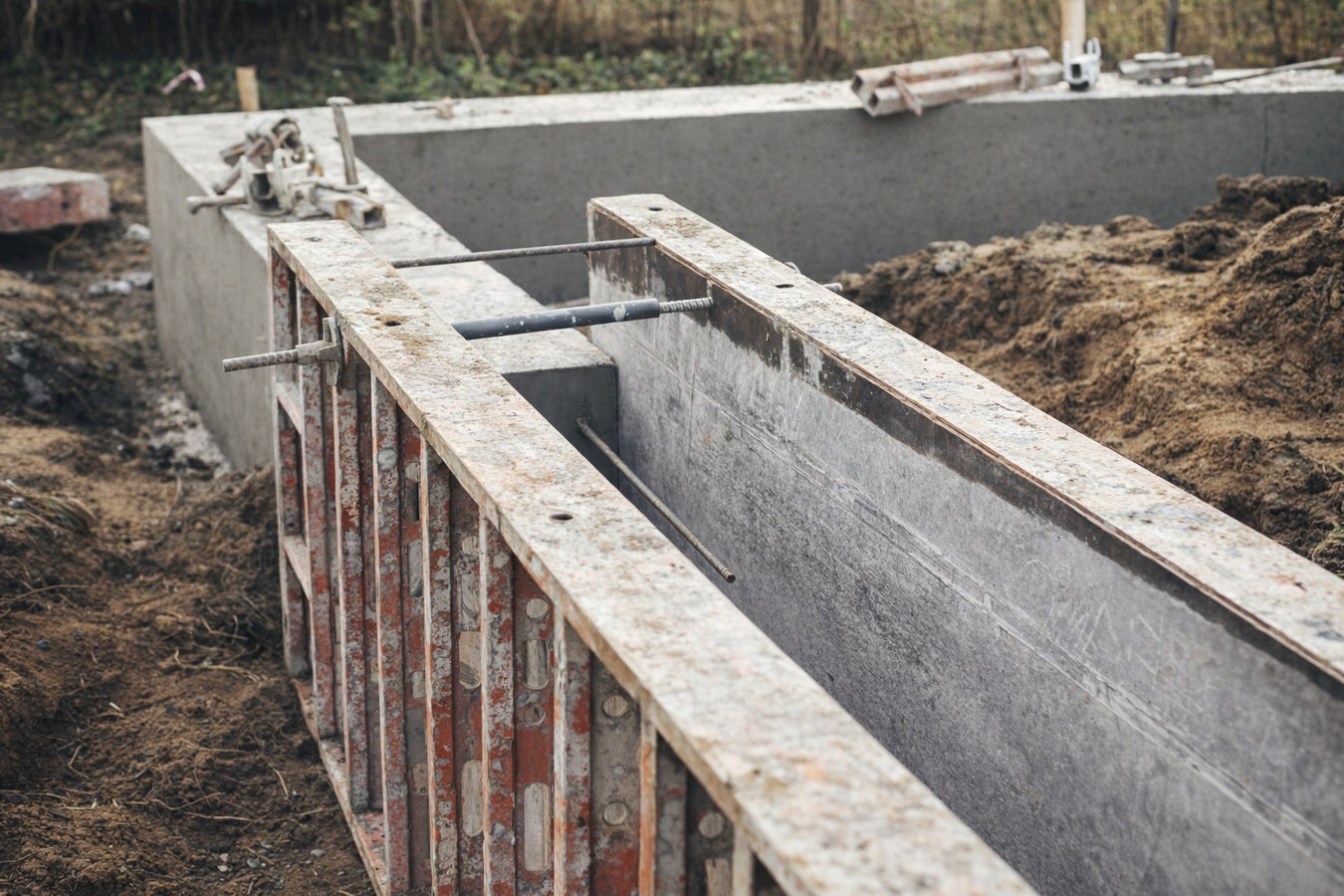
A sunken walkway, tilted driveway section, or settled garage floor does not always need to be torn out. We lift it back to level in a single visit - no weeks of disruption, no full replacement cost.
Foundation raising in Meriden means drilling small holes in a sunken slab, injecting material underneath to fill the void, and lifting the concrete back to its original level - most residential jobs are completed in a single visit of two to four hours, and you can walk on the surface the same day.
If you have noticed a walkway that has been dropping a little lower each spring, a garage floor that now slopes toward the door, or a front stoop that tilts toward the house, that is frost heave and unstable soil doing what they do in Meriden winters. The question is not whether to fix it - it is whether to lift the existing slab or replace it entirely. In most cases, lifting is faster, less disruptive, and costs significantly less. We also handle concrete cutting when sections are too damaged to lift and need to be removed cleanly before a new pour.
Every estimate starts with a free on-site visit. We look at the slope, check for cracks, and try to understand why the slab sank - not just that it did. You get a written price before any work is scheduled.
If you notice each spring that a slab near your front door or along your driveway has dropped or tilted since fall, that is freeze-thaw movement working on unstable soil underneath. In Meriden, this pattern tends to get a little worse each year. A slab that is off by half an inch today can be off by two inches in three more winters.
When a slab tilts toward your house instead of away, rainwater follows the slope and collects against your foundation wall. You might notice a puddle along the edge of your garage floor or at the base of your front steps after a storm. That pooling water is both a sign the slab has shifted and a warning that more damage is coming.
If you can feel a clear step-up or step-down between two sections of concrete - even a small one - one section has settled relative to the other. This is a tripping hazard, and it tends to get more pronounced over time as the soil beneath keeps shifting. Do not wait for someone to catch their foot on it.
Small cracks along the edges of a concrete slab, especially where it meets another surface, often mean the slab has moved. In older Meriden homes where the original concrete was poured on poorly compacted soil, these cracks are common and usually signal the slab has been slowly sinking for years.
We offer two main lifting methods depending on your situation. The first is mudjacking, which pumps a cement-and-soil slurry beneath the slab to fill the void and push the concrete back up. The second is polyurethane foam injection, which uses an expanding foam that cures in minutes and weighs far less than slurry - a better fit for certain soil conditions and areas where weight on the ground matters. Both approaches start with drilling a pattern of small holes across the sunken area, injecting material carefully until the concrete reaches the right level, and then patching the holes with a concrete mix so the surface looks nearly the same as before - just level. If a slab has deteriorated past the point where lifting makes sense, we can coordinate slab foundation building as the next step.
Beyond the lift itself, we assess whether drainage is contributing to the problem. A raised slab that still has water draining toward it will sink again. We flag those issues clearly in the estimate so you have the full picture before deciding what to do. Connecticut requires home improvement contractors to be registered with the state - you can verify our registration through the CT Department of Consumer Protection eLicense portal before signing anything.
The traditional approach - pumps a grout mix beneath the slab. Good for larger areas and heavier concrete where weight is not a concern.
Expands quickly, cures in minutes, and weighs far less than slurry - a strong fit for clay-heavy soils and situations where cure speed matters.
Fills gaps caused by soil erosion or washout beneath driveways, garage floors, walkways, and stoops.
We review the grade and drainage around the slab and flag any issues that could cause it to sink again after the lift.
Meriden sits in central Connecticut, where winter temperatures regularly swing above and below freezing - sometimes multiple times in a single week. Every freeze-thaw cycle expands and contracts the soil beneath your concrete. Over time, that movement creates voids, which is why slabs sink. A large share of Meriden homes were built between the 1920s and 1960s, when soil compaction standards and drainage practices were far less rigorous than today. Many of those original concrete slabs were poured directly on soil that was never properly prepared, and decades later they have followed the settling ground downward. The combination of older construction and aggressive winters makes foundation raising one of the most common calls we receive in this area each spring.
Much of central Connecticut also has clay-heavy soil that expands when wet and shrinks when dry. That constant movement is one of the most common reasons slabs tilt or sink here - and it is why addressing drainage after the lift matters as much as the lift itself. We serve homeowners across the region, including Wallingford and Cheshire, where similar soil and climate conditions mean the same issues show up every spring.
We respond within 1 business day to schedule a free on-site visit. You do not need to know what method you need - just describe what you are seeing and we will figure out the rest together.
A contractor walks the area with you, checks the slope, probes around the edges, and assesses why the slab sank. You receive a written estimate that explains the method, the scope, and the cost - no vague totals.
The crew drills small holes in a pattern across the sunken area, injects material until the slab rises to the correct level, and patches the holes before leaving. Most jobs take two to four hours of active work.
We walk the raised area with you before we leave and discuss any drainage or grading adjustments that would help the repair last. Foam-lifted surfaces can be used the same day; slurry-lifted surfaces need about 24 hours before driving on them.
We respond within 1 business day. There is no obligation - just a free on-site look and a written price you can compare against anyone else's. After you submit, someone from our office will call to schedule the visit.
(475) 775-2927We assess why the slab sank before recommending a method - not just lift and leave. A raise that ignores the drainage or soil problem underneath will need to be redone within a few seasons. We tell you what we find, even if the answer requires more than one trade to fix.
We are registered with the Connecticut Department of Consumer Protection as required by state law. You can verify our registration online before signing anything. Full liability insurance and workers' compensation coverage on every project.
We have worked on homes throughout New Haven and Hartford counties - from older ranches and Capes in Meriden to multi-family properties in neighboring towns. That local experience means we understand the soil conditions, drainage patterns, and housing types that affect how long a lift holds.
Every estimate specifies the method, the scope, and the total cost in plain language. You know exactly what you are paying before anyone drills a hole. No line-item surprises after the crew leaves.
Meriden winters will keep testing your concrete - but a properly diagnosed and lifted slab can stay level for years. Reach out and we will take a look.
When a slab is too damaged to lift, clean cuts remove the affected section so a fresh pour can go in without disturbing the surrounding concrete.
Learn moreIf lifting is no longer the right answer, we can build a new concrete slab foundation from the ground up - properly prepared base and all.
Learn moreMeriden's freeze-thaw season does not wait - the sooner the slab is level, the less damage it does to the soil and foundation around it.